 Approved Member
Consumer Advice
Trusted Independent Living Solutions Near You
- Trusted Services
Trusted Consumer Advice Services from UKTSA
- Vetted Excellence
Why choose a UKTSA Trading Standards Approved business?
UKTSA members have been thoroughly checked and continue to meet strict standards designed to protect consumers. When you choose a UKTSA Approved trader, you can trust that they are:
independently checked for compliance, professionalism, and good business practices.
following the law and treating customers honestly.
delivering quality work and resolving issues quickly.
giving you the assurance that work is completed safely and to a high standard.
ensuring standards are maintained long after approval.
To confirm whether a business is currently approved, simply visit our Find a Business page and search for their name.
- Safety
Protecting consumers from rogue traders
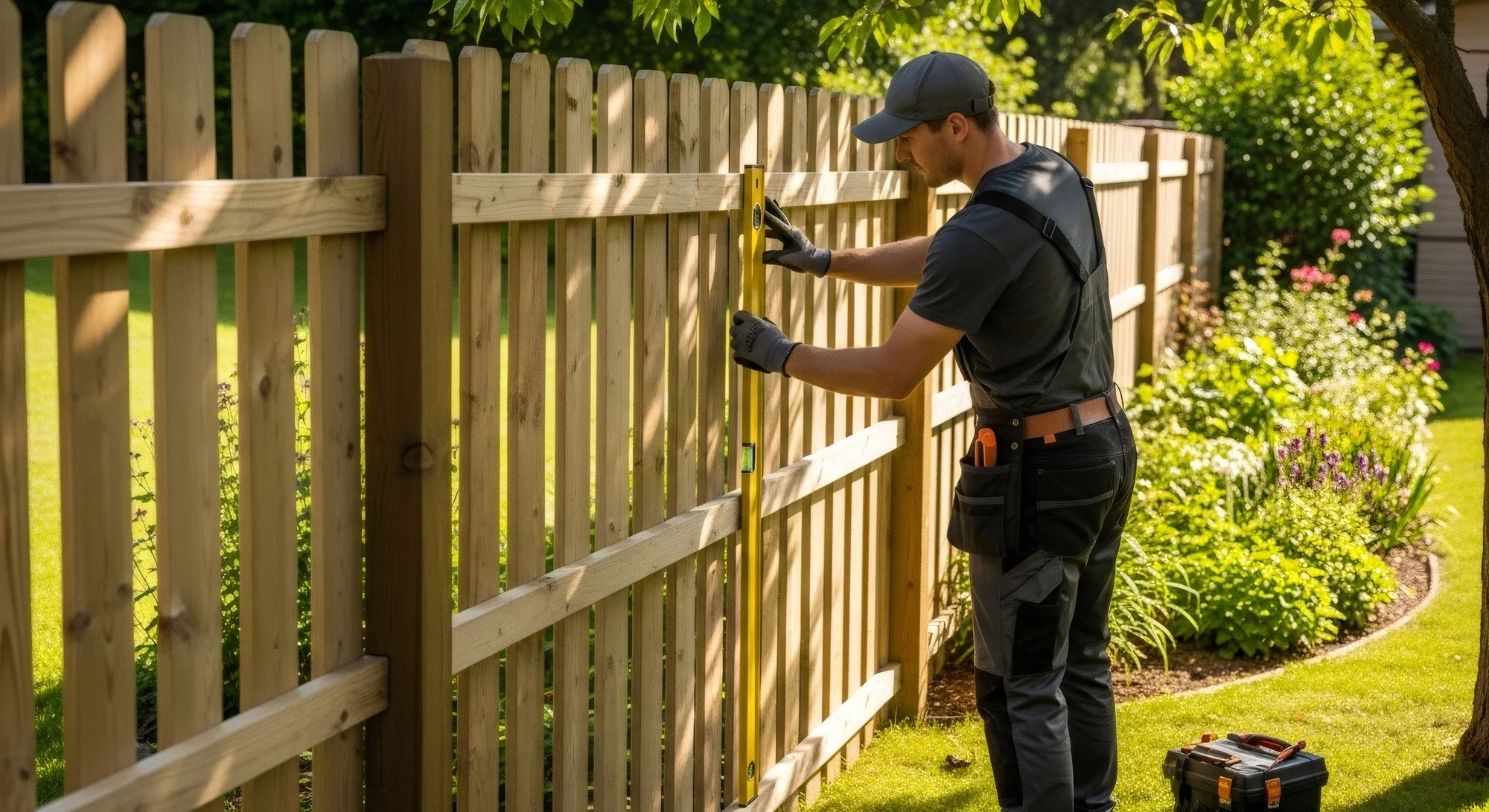
The media regularly reports on rogue traders and the serious harm they can cause to people, property, and finances. UKTSA exists to offer a safer alternative.
At UKTSA.com, you’ll find a list of local businesses that have each made a clear commitment to trading fairly, legally, and responsibly. Every business on our platform is:
- Checked and approved by Trading Standards before joining
- Required to agree to our terms, conditions, and code of conduct
- Expected to uphold both the letter and the spirit of the law
We don’t approve a trader once and then walk away. To make sure standards remain high, we carry out ongoing monitoring, which includes:
- Regular membership reviews
- Information shared through the Citizens Advice Consumer Service
- Customer feedback and complaint follow-up
While no organisation can guarantee perfection, we do expect all UKTSA members to treat you fairly, honestly, and professionally. If something does go wrong and you can’t resolve it directly with the trader, we’re here to provide consumer advice and support to help you reach a fair outcome.
- Guide
Key Tips for Choosing a Trader
Ask for recommendations
Friends, family, neighbours, or colleagues can often recommend traders they’ve had positive experiences with.
Check their reviews
Not all reviews are equal. UKTSA reviews are independently moderated, ensuring that both positive and negative feedback is published to provide an honest, balanced picture of each trader.
Check full contact details
Every UKTSA trader must provide a verified physical business address, landline number, and complete contact information. Avoid traders who only provide a mobile number.
Request a quote, not an estimate
A quote is a fixed price for the agreed work. An estimate can vary considerably once the job begins.
Get at least three written quotes
Comparing multiple quotes helps you understand fair pricing and reduces the risk of overpaying.
Make sure the quote is fully itemised
The quote should clearly list all costs, the work included, and the expected start and finish dates.
Avoid paying in full upfront
A small deposit may be reasonable, but always retain a portion of the payment until the work is completed to your satisfaction.
Pay by credit card where possible
This usually provides the strongest level of consumer protection if something goes wrong.
- FAQs
Questions to Ask Traders
How long have you been in this trade?
Experienced traders are more likely to spot issues in advance and handle unexpected problems professionally.
How long has your business been established?
Well-established businesses are less likely to disappear halfway through a job and usually have a track record you can verify.
Do you need a competent person for this work?
Some jobs must be carried out by someone registered with an approved scheme, or you must notify Building Control yourself.
You MUST use a competent person (or notify building control if you don’t) for:
- Gas work (boiler, cooker, fire, pipework) → Gas Safe registered engineer
- Most electrical work in England/Wales
(new circuits, consumer unit, electric showers, work in kitchens/bathrooms) → Part P registered electrician
- Replacement windows or external doors (England) → FENSA / CERTASS installer
- New or replacement heating systems
(oil, solid fuel, heat pumps, solar thermal) → OFTEC / HETAS / MCS registered
- Flues or liners for wood burners/stoves → HETAS registered
- New/replacement ventilation systems
(MVHR, MEV, PIV, or powerful extract fans) → Part F ventilation scheme (BPEC, NICEIC, NAPIT, etc.)
When must Building Control still be informed?
Even if you don’t use a competent person, certain types of work legally require building regulations approval.
You MUST notify Building Control for:
- Extensions or new buildings
(single/two-storey extensions, loft conversions, garage conversions, outbuildings above certain sizes)
- Creating a new dwelling
e.g. splitting a house into flats
- Structural alterations
removing load-bearing walls, large new openings, underpinning
- Material changes of use
e.g. converting an attached garage into a habitable room
- Certain below-ground drainage works
or connections to public sewers
Important: Permitted Development ONLY removes the need for planning permission —
it does not remove the need for Building Regulations approval.
Work that normally does not require building control: Painting, plastering, tiling, carpentry, kitchen fitting, flooring, internal non-structural alterations, wet-room tanking, and general cosmetic work.
Are you a member of any trade association or recognised scheme?
Membership can demonstrate professionalism, qualifications, and adherence to industry standards.
Can I see references or examples of recent work?
Ask for recent customer contacts, photos, or links to verified reviews.
Do you have insurance for property damage and public liability?
Proper insurance protects you financially if something goes wrong on site.
Is your work guaranteed?
Check:
- What is covered
- How long the guarantee lasts
- Whether the guarantee is insurance-backed
- Whether an insurance-backed guarantee can be arranged if needed
(Recommended for major or high-value works, as it protects you if the trader becomes insolvent and cannot return to fix latent defects.)
- Consumer Advisory
Points to remember when using a trader
These documents are essential for your protection and may be needed for future compliance or when selling your property.
Check the work before you pay
Make sure you are completely satisfied with the standard of the work before settling the final bill.
If there are issues, do not pay until they have been properly resolved.
Pay safely
Where possible, pay by credit card, as this often provides extra consumer protection.
If a credit card isn’t an option, use a bank transfer or cheque rather than cash so you have a clear payment record.
Never go to the bank with a trader
You should never accompany a trader to a bank or building society to withdraw cash.
Any trader requesting this is a major red flag.
Ensure you have a written contract
Always have a clear contract and schedule of works outlining exactly what has been agreed, including costs, materials, and timescales.
Get all certificates and warranties
Make sure you receive:
- All required Building Regulations certificates (e.g. Gas Safe, electrical, FENSA, HETAS, where applicable)
- Any installation certificates
- All product warranties
- Any insurance-backed guarantees, if offered or required
Ready to Become UKTSA Approved?
Join as trusted traders and start building consumer confidence today.